In early 2020, before the Covid pandemic led to the first lockdown in the UK, I started work on a short story inspired by what the media showed us was happening in other countries. This story, At the Hotel Swinburne, was about a married couple holidaying in Switzerland. What happened exposed the cracks in their relationship.
I worked on the story and sent it out to various magazines and competitions, without success, although I received some favourable feedback and encouragement from some. I revised the story, sent it out again, tweaked it some more, sent it out again, and so forth. I believed in this story, even if no-one else seemed to do so.
And then someone did! Stephen Moran, who selects and edits the Short Story of the Month for the Willesden Herald online, said he really liked my story. He asked for some minor edits, which I was happy to make. And he accepted the story as his May 2024 Story of the Month. I am very happy that it has found a home and that you can read it too.
That’s the cry of the owls. And there are a lot of owls in my new short story collection, published this month by the independent Welsh publisher Atomic Bohemian and available on pre-order from them now.
The nine stories in the book are all inspired by the paintings and drawings of the Northern Renaissance artist Hieronymus Bosch. His most famous work is the extranordinary The Garden of Earthly Delights. And yes, it does feature in the collection. Or rather, characters from it do.
Look in almost any Bosch painting or drawing and you’ll find an owl peeking out. I love their mystery and their stealthy flight. They found their way into my stories by chance rather than design, but I ‘m so happy to have them there.
I’m thrilled that this collection is finally out in the world. It has found its perfect publisher.
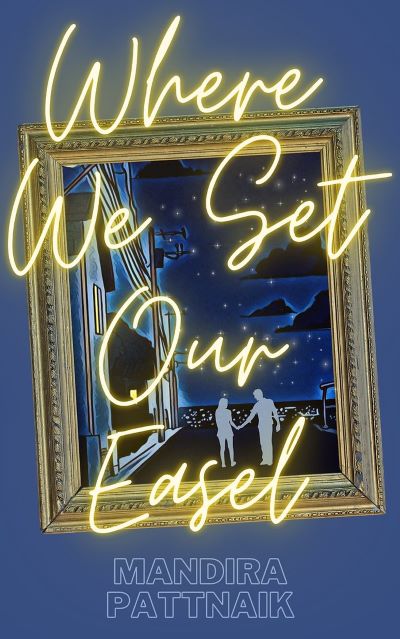
Although I live in South Wales and Mandira Pattnaik in India, our paths have been criss-crossing on the global flash fiction stage for several years, and I am very happy to invite readers to celebrate with me the upcoming publication by Stanchion of Pattnaik’s novella-in-flash Where We Set Our Easel.
The work is a kaleidoscopic riff on the nature and passage over time of love between a man and a woman. Rich in metaphor and imagery, it is – like all good flash fiction – as powerful for what it leaves unsaid, inviting the reader to develop their own pictures of relationship, its challenges and rewards. Using techniques of time-shift, repetition and cut-up, varying pace and mood and working her texts with the precision of a scalpel, Pattnaik has created a shining, multifaceted gem.
Mandira Pattnaik generously agreed to share her reflections on the writing of the book, and to answer some other questions which intrigued me. Here’s what we talked about across the ether:
Cath Barton: Can you tell readers a bit about the inspiration for the stories which, together, make up Where We Set Our Easel?
Mandira Pattnaik: Thank you so much, Cath. Where We Set Our Easel developed from a micro fiction piece I wrote during UK Flash Fiction Festival last year based on a prompt. The prompt was the Van Gogh painting ‘Café Terrace at Night’. I submitted the piece later and it was published in April, 2022 in Canadian publication Commuterlit. The idea of a young, somewhat naïve, couple, deeply in love, walking through the painting into a dream-like world, metaphorically in an imagined future they see together, and then discovering where their life takes them, appealed to my sensibilities. The stories that I subsequently wrote form the arc of that relationship. In this novella-in-flash, written entirely in stand-alone micro prose, the pieces double up as the novella’s chapters. The narrative peeps into the couple’s ordinary lives here and there, chronicling their difficult situations, work and children, trivial misunderstandings, bitterness, parental concerns and accidents, while taking time jumps trusting the reader to fill in the gaps with imagined details. Where We Set Our Easel, true to its title, I believe, is a story of two lives well-lived that can only be possible because of deep and true love.
CB: Congratulations on being published by Stanchion. How did this come about?
MP: Stanchion had already been publishing gorgeous magazines, and when the call for manuscripts was announced, I really wanted to submit. This work was written and completed in the brief interval between that announcement and the call submission window opening. I submitted it in the open reading period and was hugely grateful when it was selected. As you may understand, for a writer from India, being published at all is difficult, let alone a book, that too by a publisher based in the US for an international readership. Now, I’m all jittery and ecstatic and unbelieving that Where We Set Our Easel is soon going to be out there in the world, through Stanchion Books as well as Barnes & Noble. I’m taking time off to let the feeling sink in.
CB: I think your title Where We Set Our Easel is so evocative and appropriate. And titles add so much to flash fiction. Do you start with titles or do they emerge later in the writing process?
MP: Titles do add so much to flash fiction, in fact, to any book. As a reader, no matter what subject or genre, I’m drawn to titles that are brief, evocative and memorable. Similarly, when titling a piece of mine, I’m looking at these attributes. However, it is easier said than done. Sometimes it is a stroke of luck to find the title at the outset or during the process of writing. At other times, it’s an uphill task, with the piece going through several revisions and at least one title change.
For this novella, the title emerged from the opening story (it was published under the same title in Commuterlit a year before). I later decided to rename the opening story and use the title for the entire novella. I hope readers find it as evocative of a starting point full of possibilities. I’m also hoping it makes readers curious about the course my characters will follow. Further, I’d like to believe this title, combined with the reading of the opening story, will suggest a lot many different paths, each with a range of outcomes, akin to what walking into a frame will possibly generate. As recent readers who have had a sneak peek say, they’ve been impatient to learn what transpires beyond the framework where I’ve set the easel!
CB: Your stories are strongly visual. Who are your favourite artists?
MP: I think I tend to write in a way that the reader can visualize the setting. I love natural surroundings and they are often the stage for my stories. My favorite artists are too many to name. Van Gogh of course is somewhere on the top of that list.
CB: You’ve been widely published over the past few years. But do you have an unfulfilled writing ambition?
MP: I’m very thankful for the love my work has received over the last couple of years or so. I have enjoyed writing since when I was very young, but as is the case with most people, work and family took precedence. I started writing again in 2018 with no publications that year and very few in the next. However, some amazing places accepted my writing 2020 onwards and this is where I’m now, happy with what I am doing. I never set out to be a writer. I’m not a very young person, so I guess I’ll take it one at a time, not planning too much ahead.
CB: Who would you say are your greatest teachers?
MP: Readers may not know this but I graduated in Economics and I am a trained accountant and auditor. However, I’ve not been enrolling into writing workshops/mentorships and the like for a variety of reasons. More or less, I’m on my own — tripping, falling, and charting a journey I cherish. My greatest lessons come from reading others, from observing and from trial-and-error.
CB: If you were castaway on a desert island what one book would you take with you and why?
MP: I’m not sure! I have many on my TBR list, and can’t decide on which to pick. I’m currently reading Seven Moons of Maali Almeida by Shehan Karunatilaka. I don’t know which book to go for next. I read a variety of genres, and usually mix my reading to include science, history, even electronics and geography.
But probably I’ll just take my notebook instead, and write while I’m there!
CB: If you could choose one writer (living or dead) to spend an evening with, who would it be, and what would you like to say to them?
MP: James Joyce. I’m a huge admirer of his writing. I think I know Dublin like it was my city because of the way Joyce describes it. I suppose the admiration comes also from the similarities of Dublin with places in India I have lived in, from shared sensibilities and from the attention to detail that’s the hallmark of Joyce’s stories. But I’d probably be too tongue tied to say anything if I met Joyce.
CB: Have you got a flash fiction you would like to share with readers here?
MP: Embryonic Star – this was published in the Irish flash fiction journal Splonk).
CB: Is there anything I haven’t asked you that you’d like to share with readers?
MP: Perhaps regarding Where We Set Our Easel: whether the time-jumps I mentioned earlier in our conversation are something that I planned consciously? My reply would be: Time is eternal and at the same time slippery — this is part of our ancient Indian texts and philosophy. In this respect, for a novella-in-flash, time could be compressed into less than fifty pages without compromising on any of the pulls and emotions that a novel promises. I wanted Where We Set Our Easel to have the arc and timeline of a novel, follow the characters through a lifetime’s journey and satisfy the reader in its resolution, and yet shrink itself to within a novella-length work. It wasn’t difficult to do that, letting myself glide, and skim, and peep into the couple’s life. Given flash is a genre I have written in the most, and am definitely comfortable in, I am delighted the novella-in-flash took its present shape.
CB: Can you say a little more about how the notion of time being at the same time eternal and slippery features in ancient Indian texts and philosophy? Give an example perhaps.
MP: As I mentioned before, the constraints of writing a novella entirely in micro prose doubled the challenge of managing time-frame and setting within which I’d allow my characters to thrive. I also had to ensure that the narrative would progress such that it defined a satisfactory arc for the reader. With this objective, I had to compress time at places in the novella, and yet, at other points, I had to portray time as eternal and everlasting for certain relationships and emotions.
It helped that as an Indian, I am drawn to thought-schools and philosophy about the duality of time. For example, time is cyclical in the cosmological context, but linear for determination of events. Time is regulated by the motions of the sun and moon, and in the same vein, boundless for life as it exists on the planet itself. In the epic Mahabharata, for instance, Time is compared to a stage manager or Sutradhara. Here, Time is personified as a force that controls the performance of a puppet show according to his wish. The whole cosmos is thought of as a grouping that is subservient to the control of the puppet-master Time. I believe some of these notions do percolate into my writing.
CB: What a fascinating note on which to end, Mandira. Thank you so much for taking time to talk, and I wish you all the best with Where We Set Our Easel.
Bio: Mandira Pattnaik is the author of collections “Anatomy of a Storm-Weathered Quaint Townspeople” (2022, Fahmidan Publishing, Poetry), “Girls Who Don’t Cry” (2023, Alien Buddha Press, Flash Fiction) and “Where We Set Our Easel” (2023, Stanchion Publishing, Novella). Mandira’s work has appeared in Flash Frontier NZ, The McNeese Review, Penn Review, Quarterly West, Citron Review, Passages North, DASH, Miracle Monocle, Timber Journal, Contrary, Watershed Review, Amsterdam Quarterly, Quarter After Eight and Prime Number Magazine, among others. She edits for trampset and Vestal Review. More at mandirapattnaik.com
It’s been a hell of a year for everyone. In the midst of all the difficulties there has been a lot of kindness shared, and I hope none of us will forget the importance of that as we move forward.
In the writing world I want to give a shout out to some people who have shown much kindness and generosity to me and my writing this year:
In no particular order :
Simon Webster at The Cabinet of Heed, especially for the stream of consciousness challenges during the first lockdown, when otherwise I would have written nothing.
Laura Black at Fictive Dream, who always gives a personal and thoughtful response to those submitting work.
Serene Ng and Nikki Yeo at new Singapore-based litmag Ome, who, while wanting to give a platform to Singaporean writers, also extended a welcome to contributors around the world.
Louise Walters at Louise Walters Books, for seeing my second novella into the world. I cannot thank her enough for all the time and care she has given to it, and to me.
Gary Kaill and Han Clark at Lunate, especially for trusting me to join their review team.
Paul Dunn at Cranked Anvil, for the competitions and the anthology
John Lavin at The Lonely Crowd, for including a story of mine which means a lot to me in stellar company in the very special five year anniversary issue.
Jose Varghese of Strands, for such quick turnarounds and for giving me my first competition win in a long time.
Huge thanks to them all.
And here’s to 2021 being a better year for everyone.
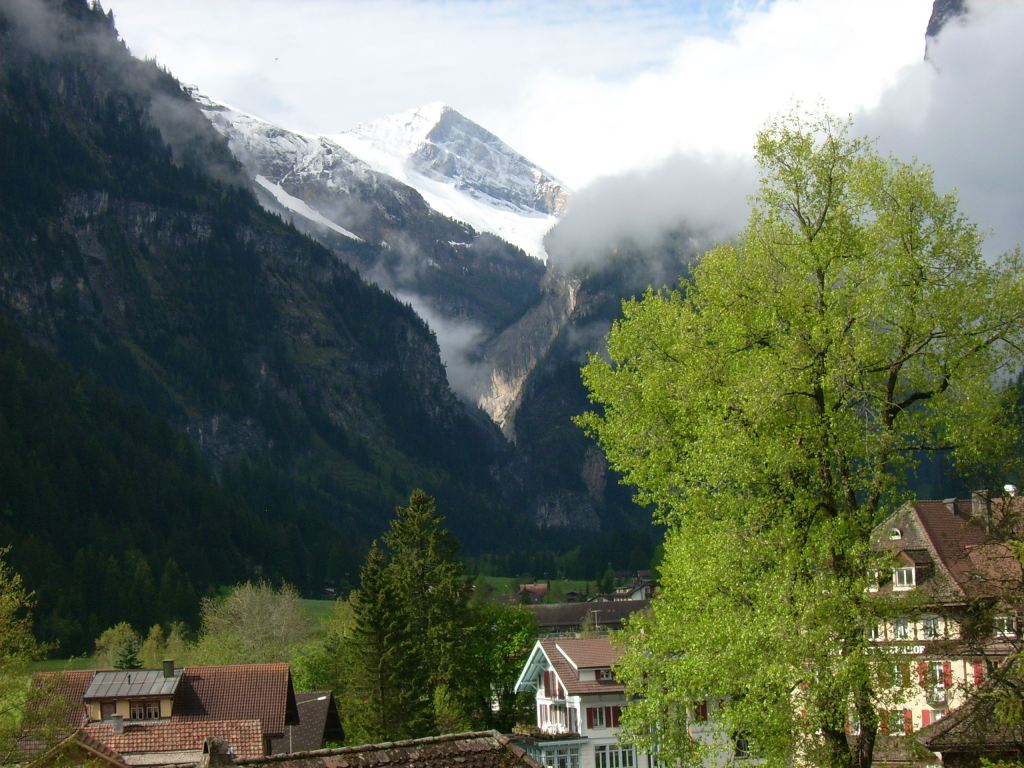
Looking up to the Sugar Loaf, Abergavenny photo copyright Cath Barton
I’m not keen on counting, but it’s good to review the year and consider some very lovely times.
Month by month, here are my writing highlights and a celebratory photo for each.
January
Delighted to have a rare poem published in Visual Verse
Saw Emma Rice’s company in the brilliant ‘Wise Children’ here
February
Had three flashes published this month. Particularly proud of The Man I Am Not Marrying, published in Spelk
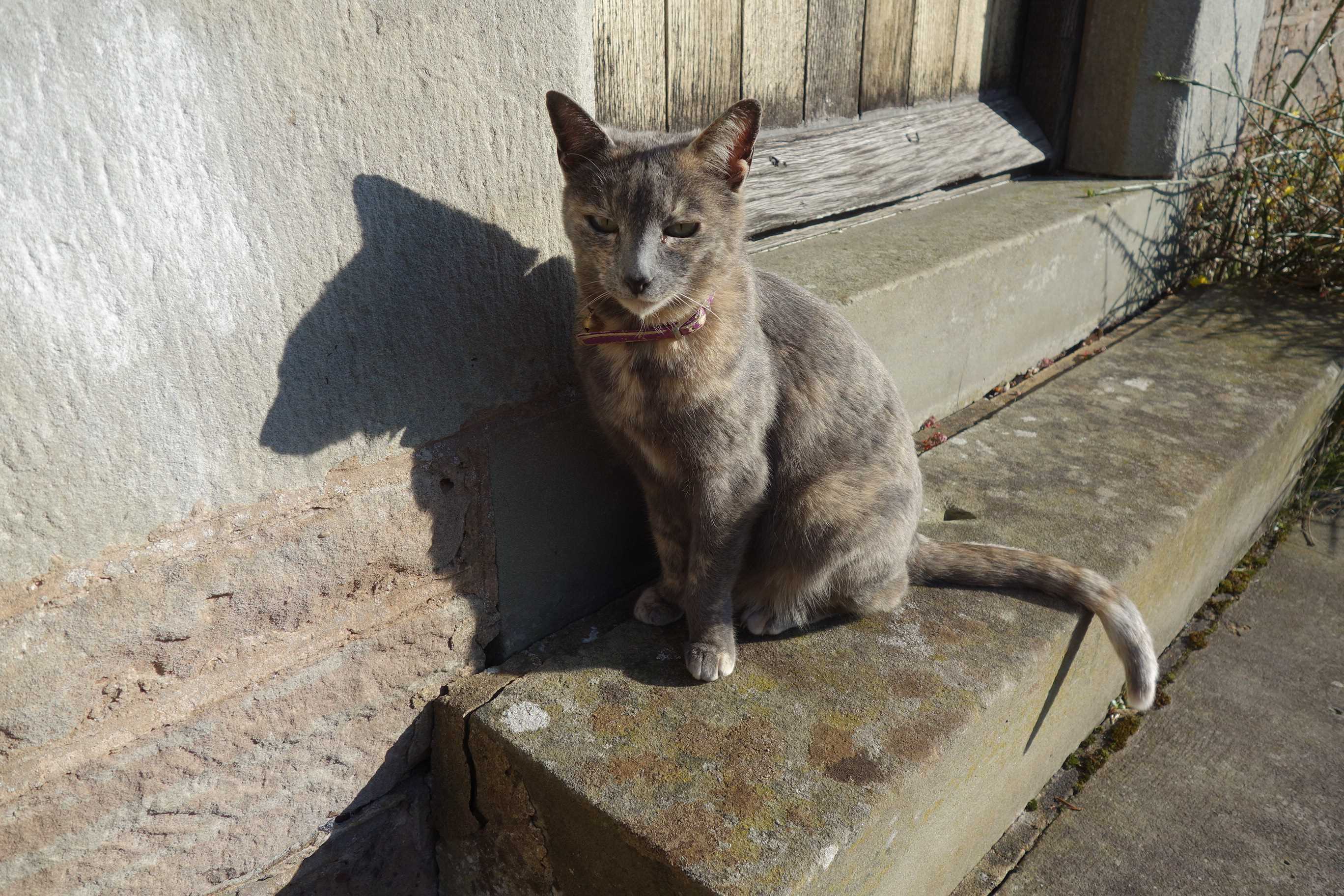
Miri, one of the cats at Ty Mawr convent where I went on retreat
March
After a nail-biting time, signed a book deal with Louise Walters Books for my second novella, In the Sweep of the Bay, due to be published on 17th September 2020.
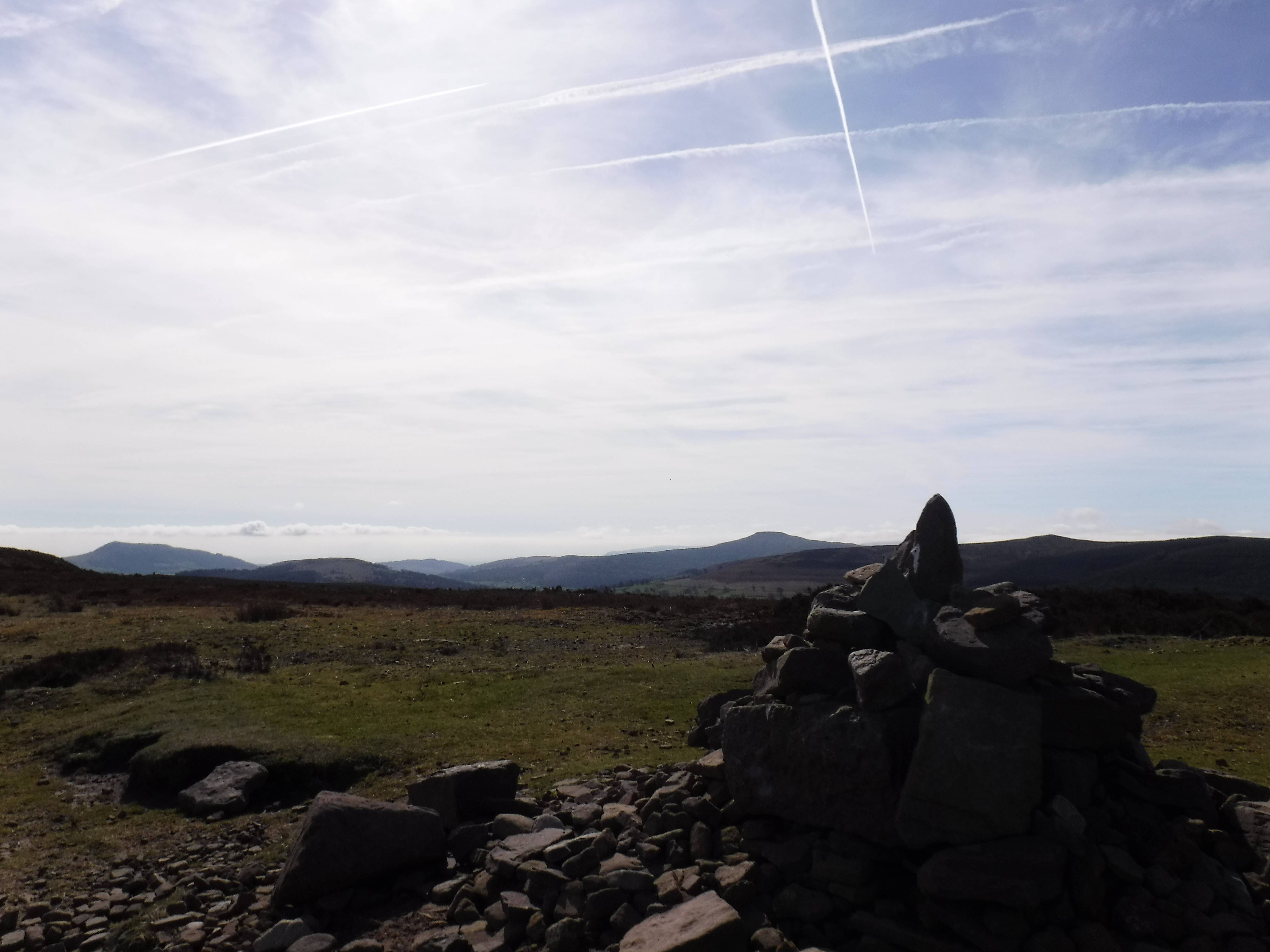
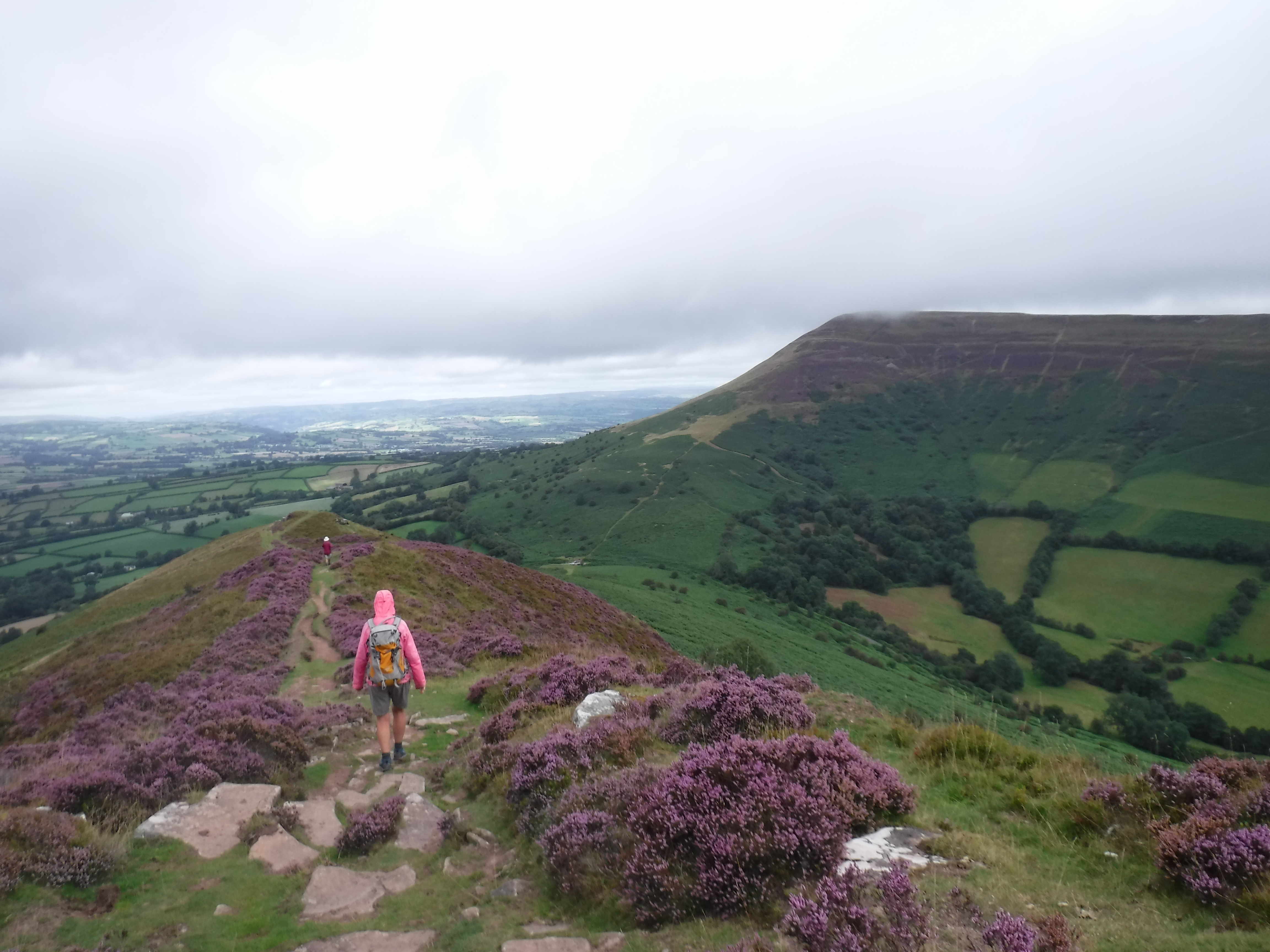
Walking in our lovely hills on the first day of Spring
April
Took part in both the Abergavenny Writing Festival and the Llandeilo Litfest.
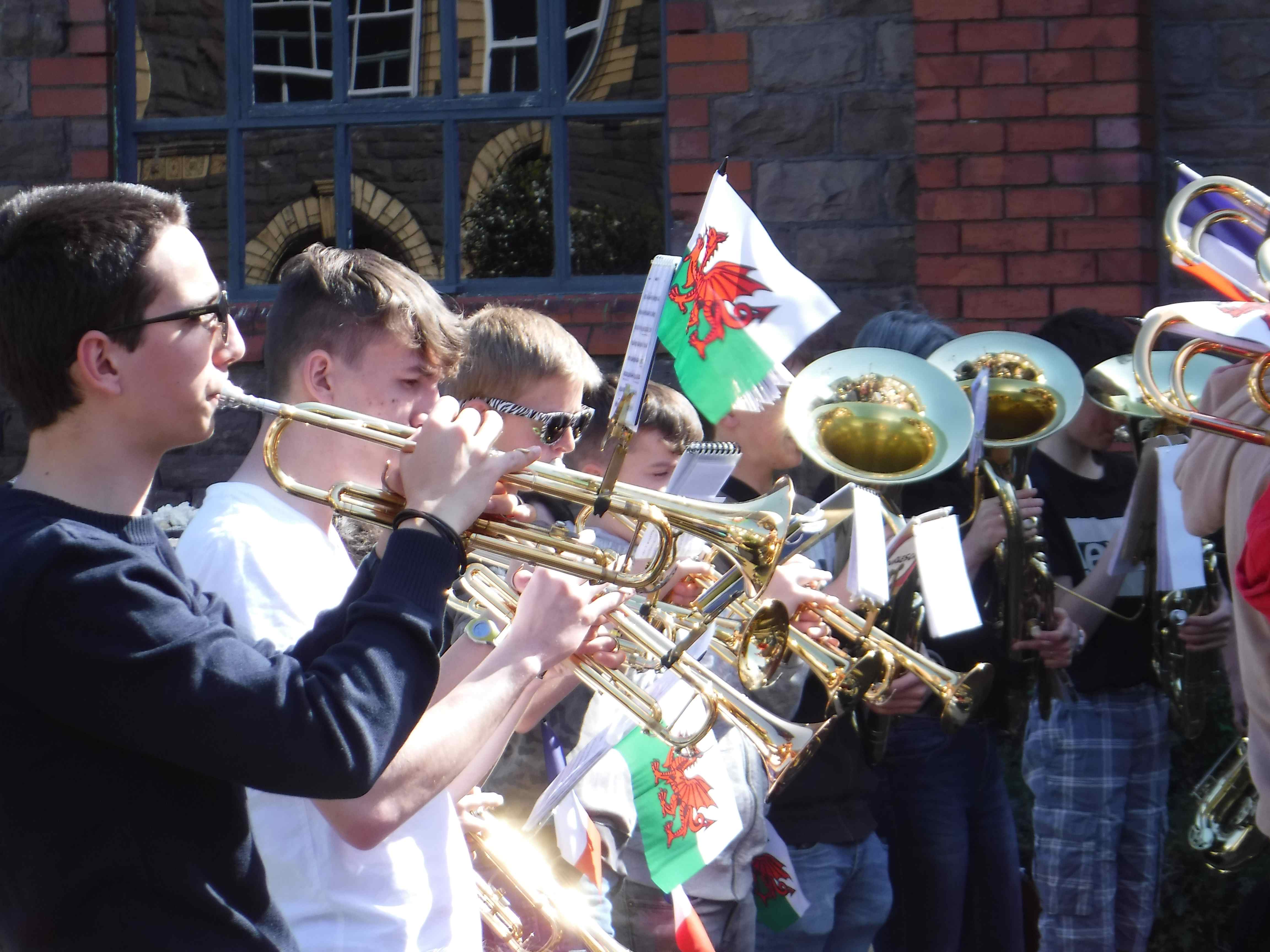
Abergavenny welcomed friends from our twin town in France, Beaupréau, for an Easter weekend of sunshine and music
May
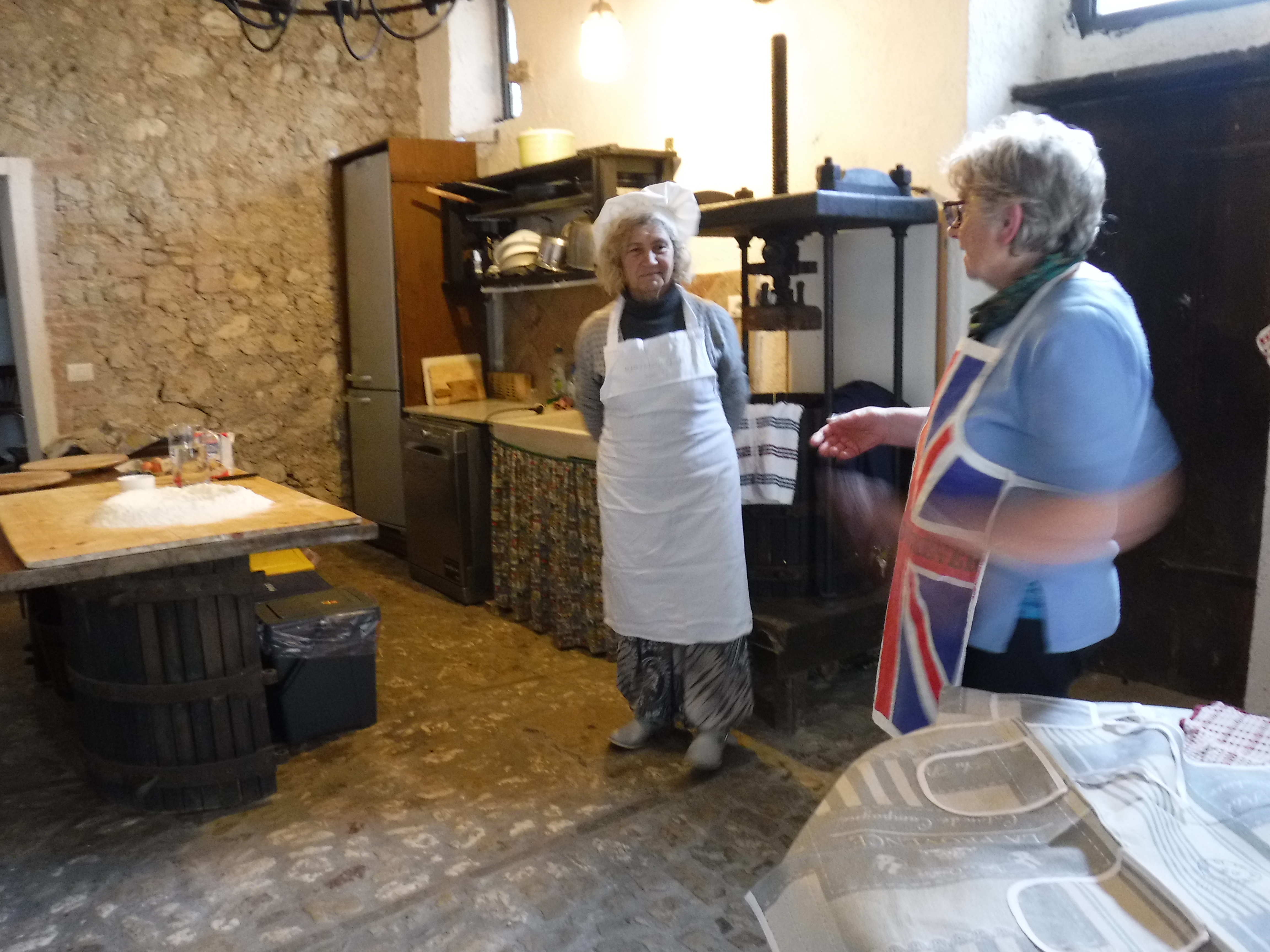
A wonderful week at Palazzo Forani in the village of Casperia in the Sabine Hills, north of Rome, led by ace flash fiction writers Kathy Fish and Nancy Stohlman. New writing, new friends, new food!
Learning to make pasta, Italian-style, with Gianna and Carla
June
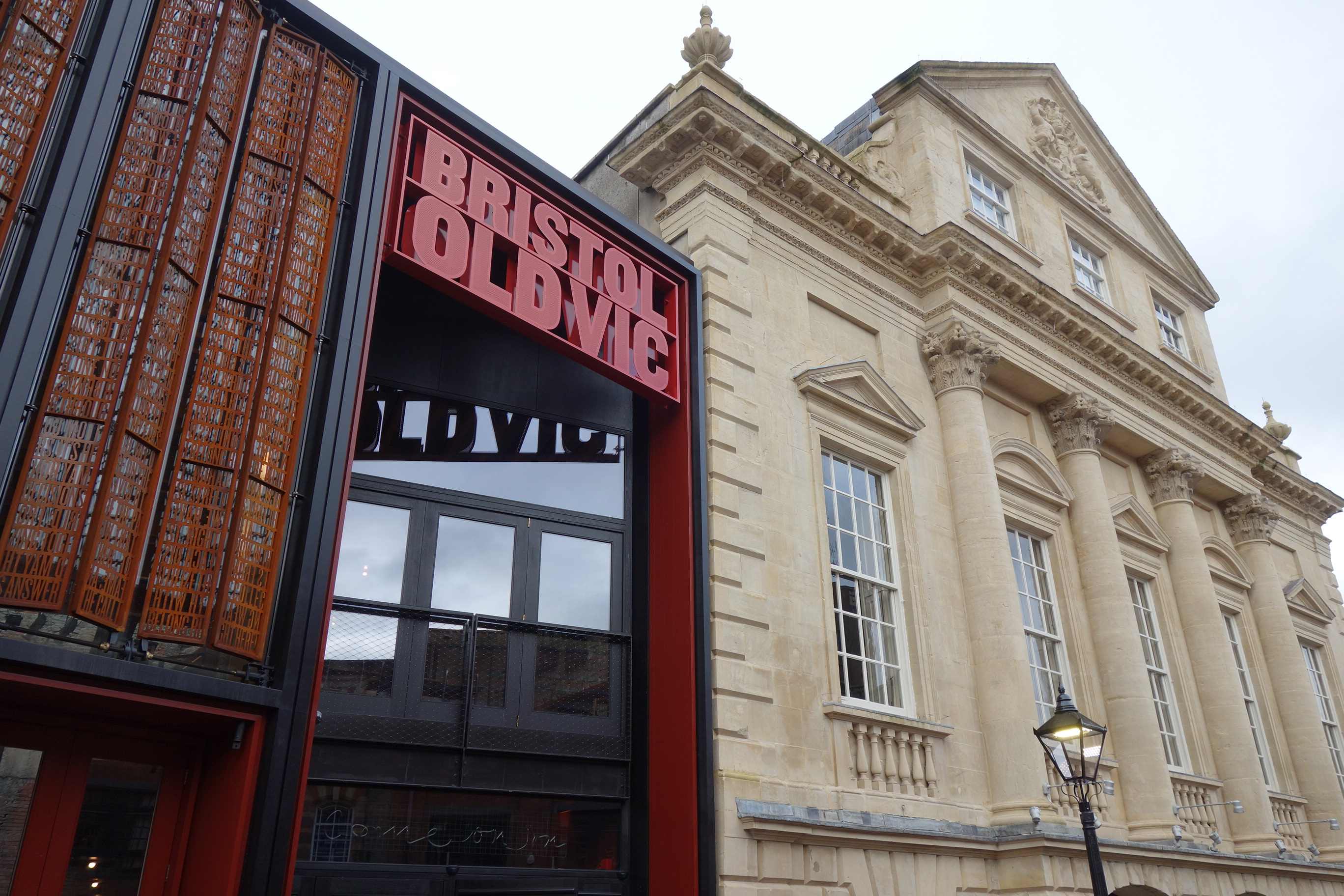
Spent a day at the Flash Fiction Festival in Bristol. More great writing experiences – and lovely to meet so many writers I knew from internet connections.
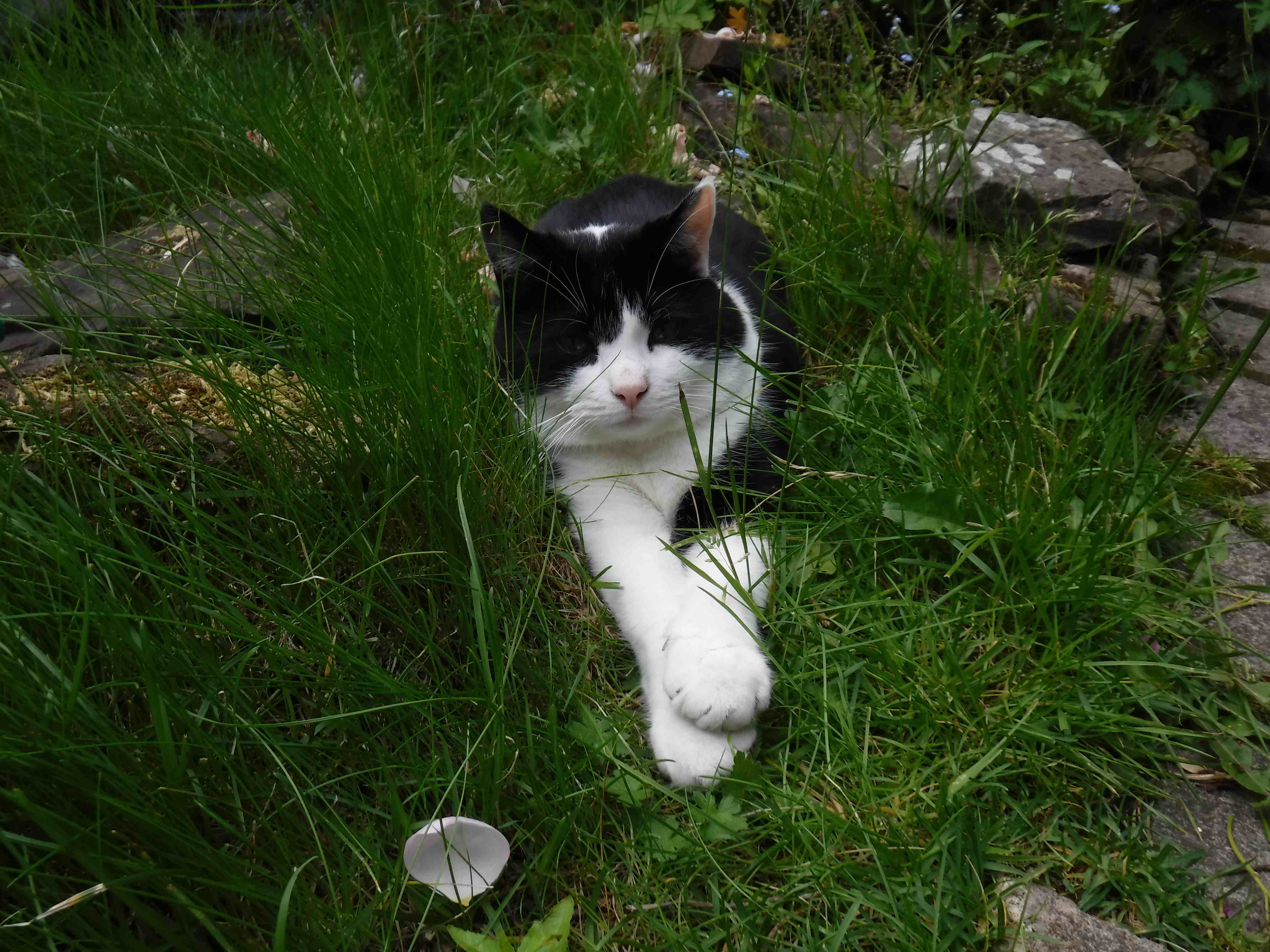
Dear Feely, enjoying a lazy June day
July
Spoke at another LitFest, this time in Caerleon.
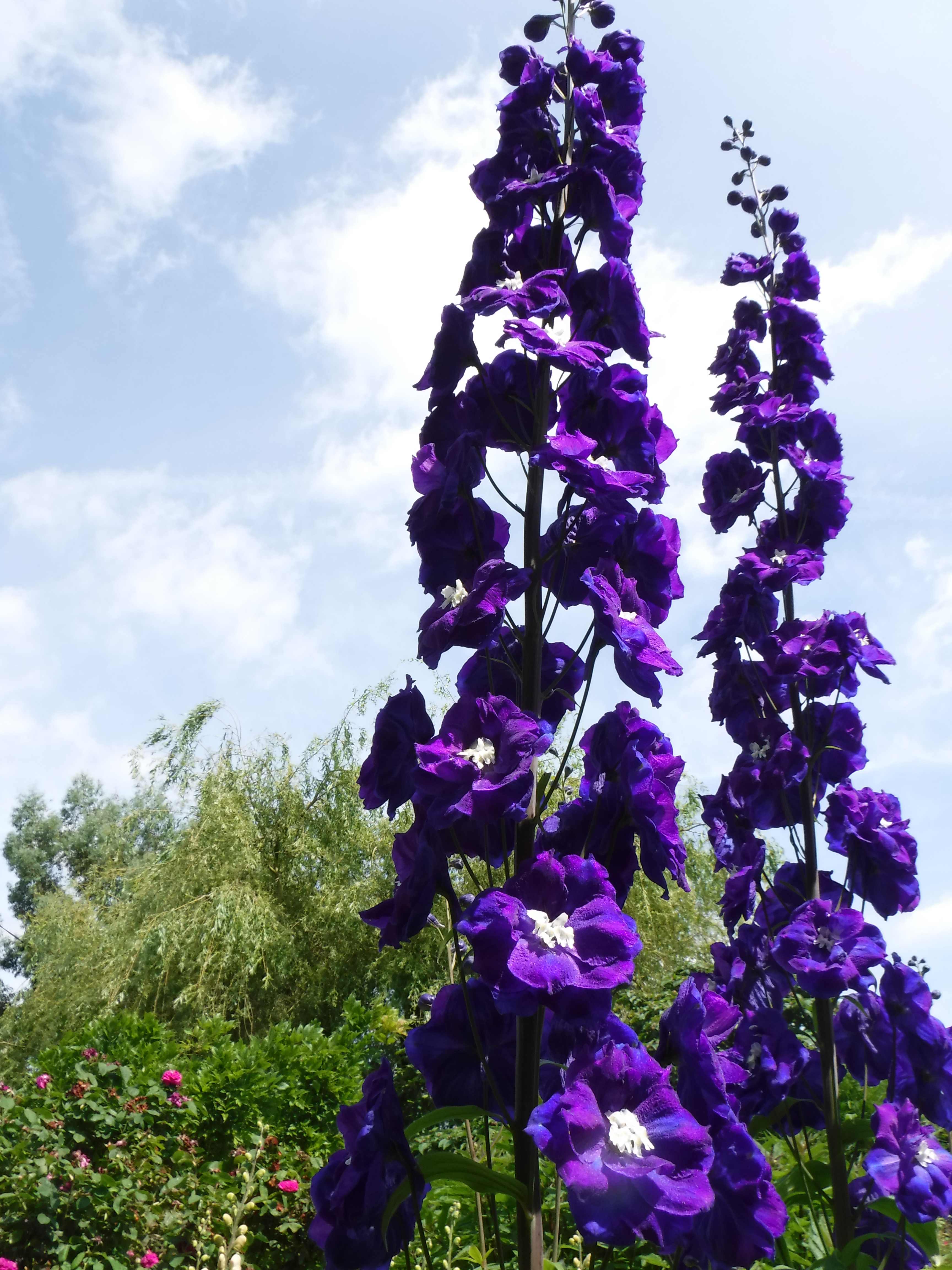
Visited a lovely garden on my birthday
August
Structural and line edits of In the Sweep of the Bay completed.
In training for September’s big walk!
September
Copy editing time for the novella. Challenged myself to write a (long) short story of which of which I was given paragraphs 1 and 20. Could be the bones of a new novella…
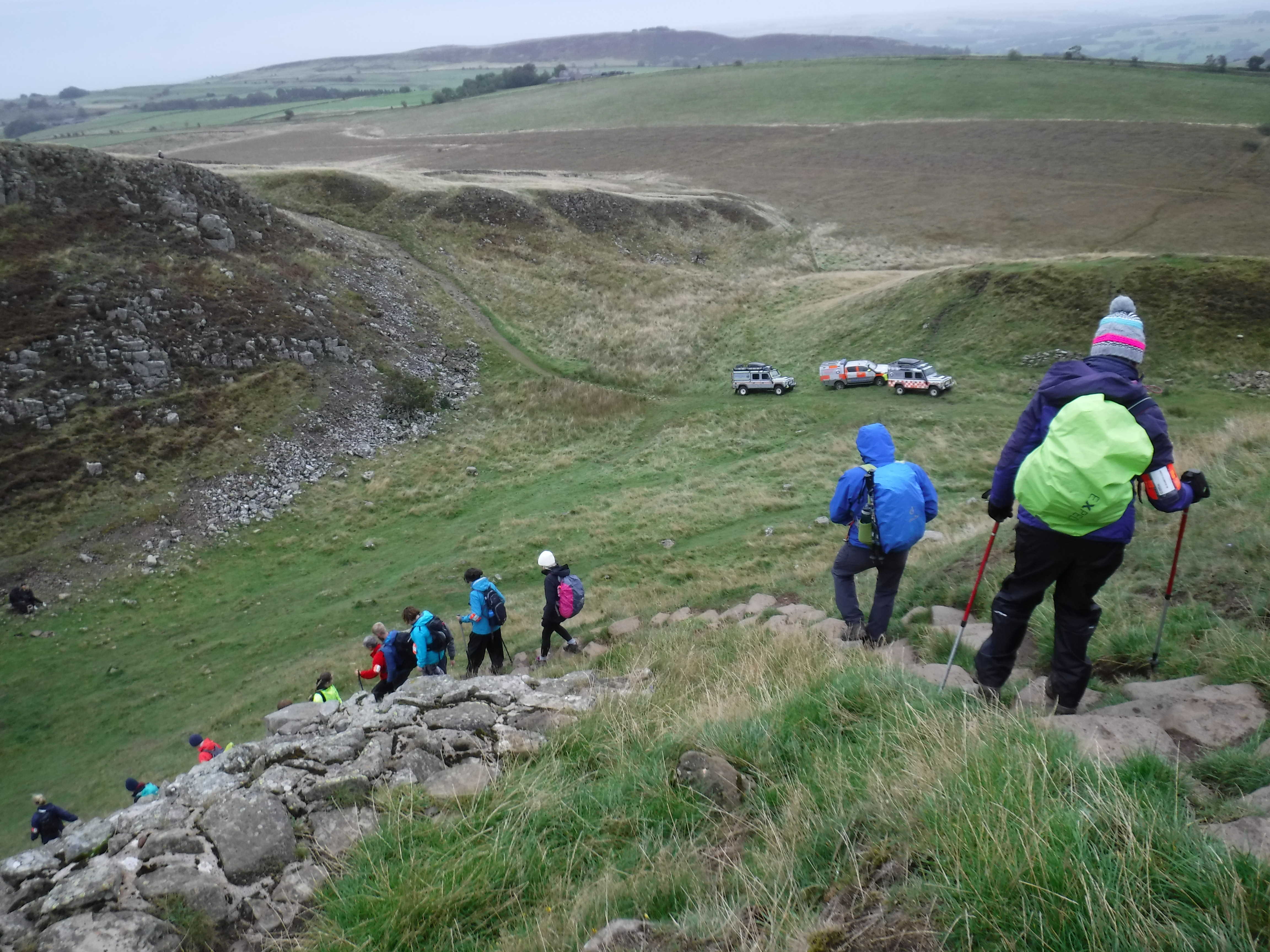
Trekking on Hadrian’s Wall with Elizabeth, Eileen and Jane to raise money for the charity PSPA
October
Busy weekend at the beginning of the month: up to Leicester for the launch of this anthology one day and at the Crickhowell LitFest talking about novellas the next.
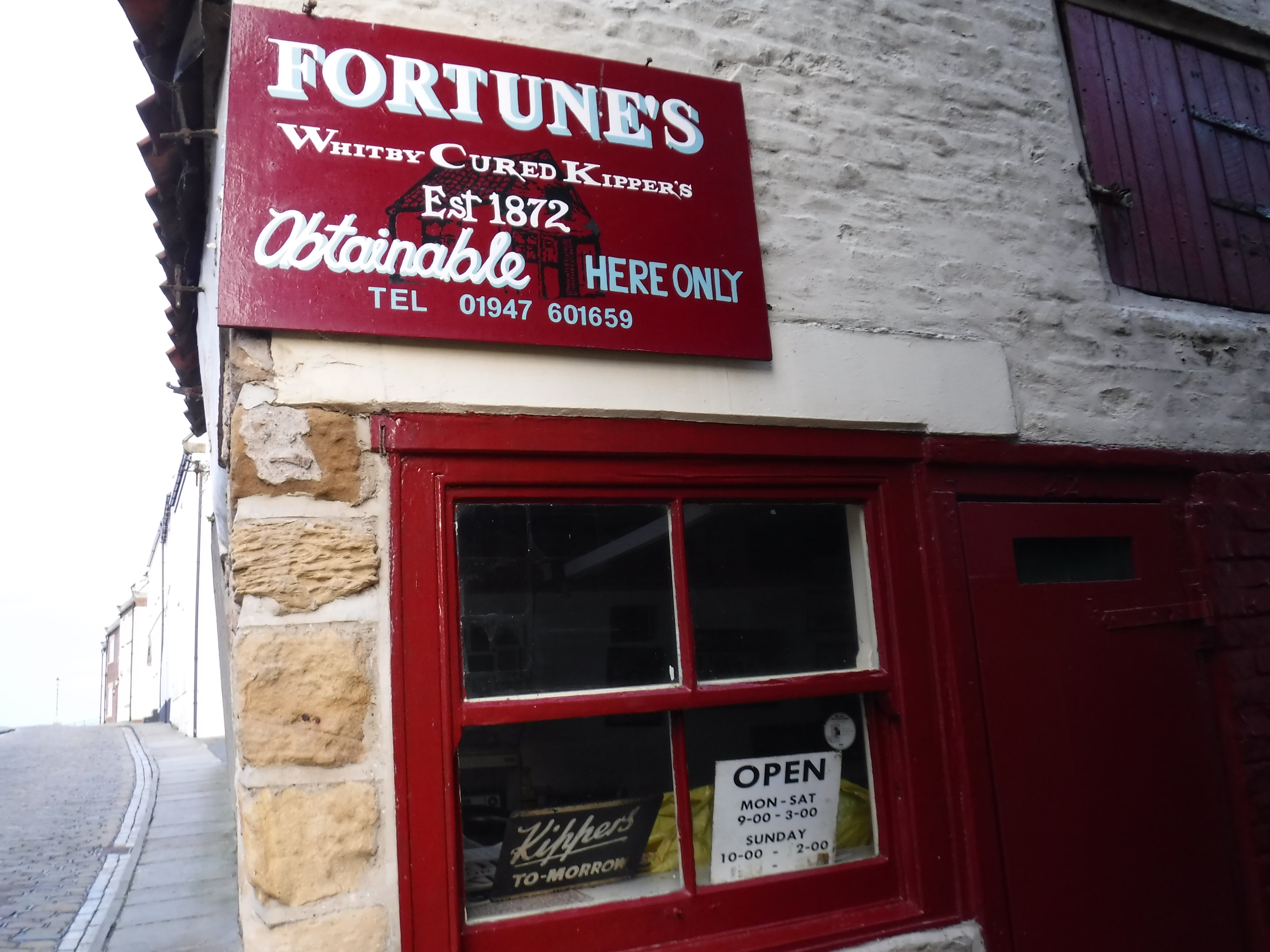
Wonderful kippers for breakfast on a little trip to Whitby
November
Finally started writing the story of my Auntie Phyllis, internationally famous circus artiste!
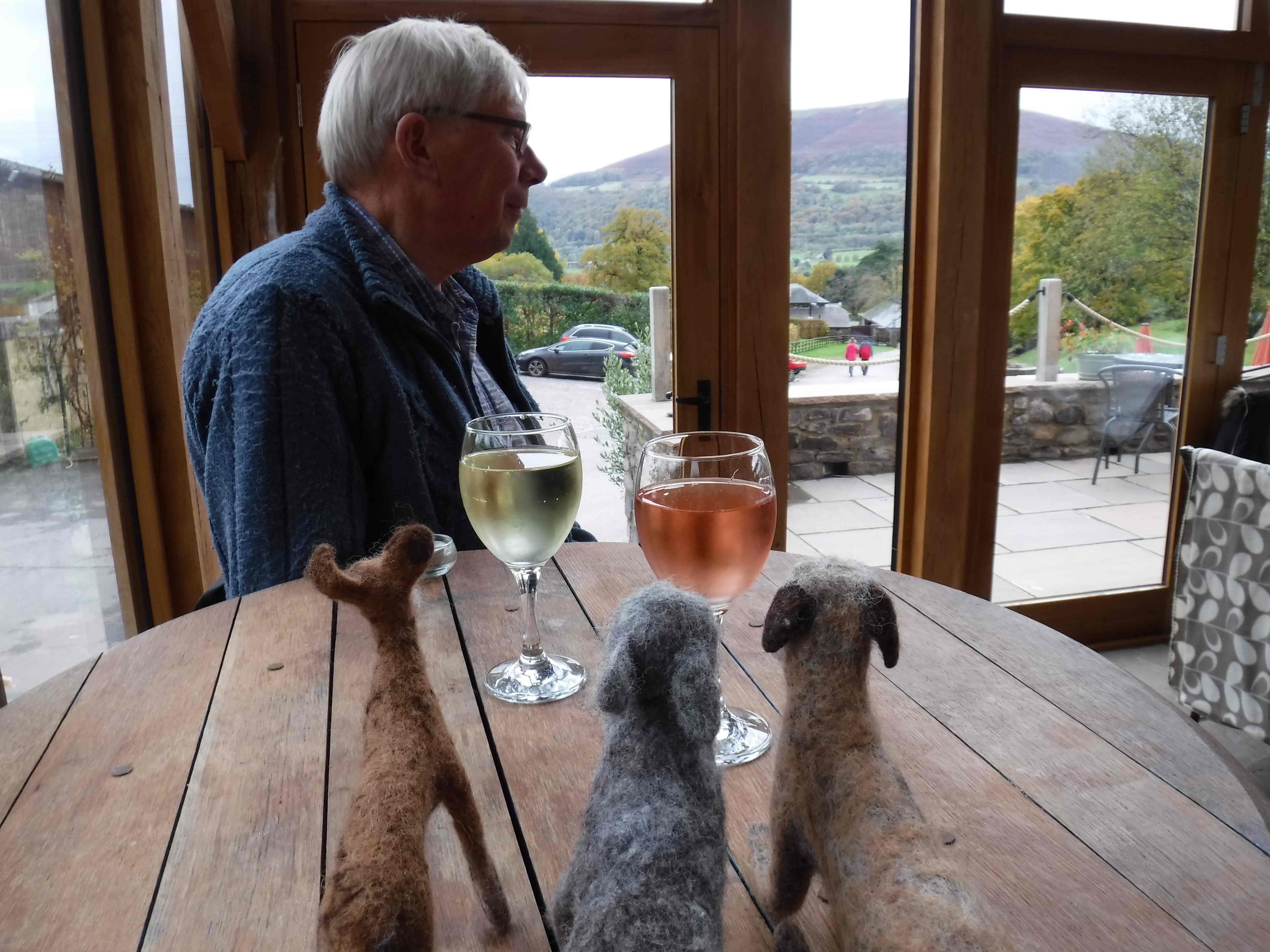
Having a drink at our local vineyard with OB and the Three Amigos, visiting us on their world tour
December
Five flashes published this month, after a lean time.
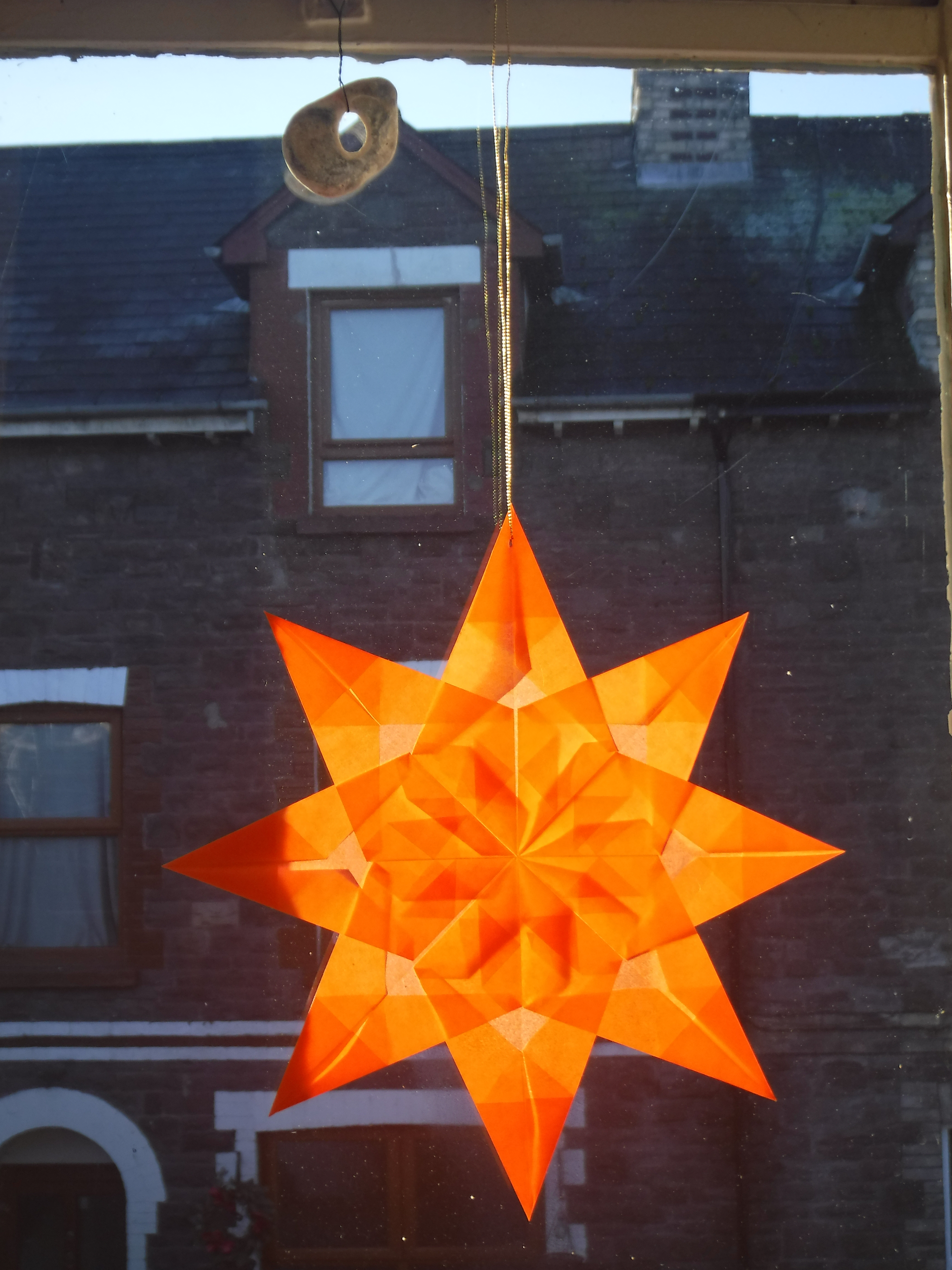
Origami Christmas star – and a lucky stone with a hole!




 Cath Barton